Premier Site Analysis Florence Area
Why Arborists Matter: Comprehensive Services for Peak Tree Health and Security.
Arborists serve a key purpose in preserving the health and safety of trees. The knowledge they possess covers aspects such as tree biology, managing pests, and structural integrity. Consistent upkeep is necessary for preventing potential hazards and encouraging development. Nonetheless, many property owners fail to notice the warnings of tree distress that could result in severe outcomes. Knowing what tree specialists provide can significantly affect the lifespan and aesthetics of landscapes. Which essential services they provide?
Knowing the Purpose of Arborists

Even though many admire the beauty of trees, not many realize the vital function that arborists play in keeping them healthy and secure. Arborists are highly trained individuals trained in the science and art of tree care. They have extensive knowledge of tree biology, ecology, and the many variables that impact how trees grow and stay upright. Tree specialists evaluate trees for indications of illness, pest infestations, and vulnerable areas, ensuring that trees thrive in their environments. They also promote the ecological benefits of trees, such as carbon sequestration and wildlife habitat, pointing out their necessity in city development and environmental conservation. By using proven techniques in tree care, arborists contribute to the general vitality of urban forests and landscapes. Their expertise is essential in informing the community about proper tree management, fostering a greater appreciation for trees and the vital part they play in the ecosystem.
Main Offerings Available by Arborists
Arborists offer a broad array of crucial offerings that contribute to the health and safety of trees. A key offering is tree pruning, which means taking off dead or diseased branches to encourage development and avoid dangers. Arborists also conduct tree assessments, judging the state and structural integrity of trees, pinpointing possible dangers, and advising on the best course of action. Moreover, they offer tree installation, guaranteeing trees are located in ideal areas with optimal dirt composition to thrive
One more vital service is pest and disease management, where arborists diagnose issues and implement treatment plans to safeguard the trees (Florence Arborist). In addition, many arborists engage in tree removal when necessary, carefully taking down hazardous trees to lessen hazards to structures and individuals. Lastly, they offer consultation services, educating clients on practices for tree care that foster healthy growth. In summary, these services are vital for upkeeping rural and urban settings
The Benefits of Consistent Tree Care
Consistent tree care yields several benefits that enhance both the health of the trees and the safety of the surrounding environment. By providing steady maintenance, such as pruning and thinning, trees can become more vigorous, which permits better light access and better airflow. This encourages strong structural development and reduces the risk of disease and pest infestations. Additionally, regular maintenance aids in the removal of dangerous or dead limbs, reducing the chance of property damage or personal injury during storms or high winds.
Furthermore, well-maintained trees add positively to the landscapes' aesthetic value, boosting property worth. They also encourage biological diversity by providing habitat for different species. Using professional tree specialists guarantees that maintenance practices are carried out accurately, drawing on their skill to assess tree health and administer the right treatments. In conclusion, regular maintenance creates a safer setting while improving the vigor and longevity of trees, benefiting both the ecosystem and the community.
Recognizing Symptoms of Tree Stress
What are the ways to tell when a tree is in distress? Recognizing signs of tree distress is crucial for preserving tree safety and health. Important signs involve yellowing or wilting foliage, which may point to inadequate hydration or a shortage of nutrients. Furthermore, a large number of falling leaves can signal stress, especially during growing seasons. Alterations in the bark's feel, such as flaking or splitting, often point to hidden issues, including disease or pest infestations. An abnormal amount of deceased limbs, particularly if they are scattered broadly, points to declining vitality. Moreover, a compromised root structure, indicated by leaning or roots visible above ground, could threaten a tree’s overall stability. Lastly, the appearance of fungal growth near the trunk's base may indicate decay. By recognizing these signs act now early, tree owners can act decisively to lessen the dangers and ensure the tree remains healthy, ensuring the longevity and safety of their trees.
Choosing the Right Arborist for What You Need
When selecting an arborist, which elements must be taken into account to ensure they are the right match for their tree care needs? First, proper documentation is crucial; a certified arborist should possess relevant qualifications and training in tree care. Experience also plays a significant role; professionals who have established success are likely to provide better service. Furthermore, looking at reviews and asking for references provides a clear view into an arborist’s reliability and professionalism.
It is also important to consider the scope of services is the variety of services they provide. Whether tree pruning, disease management, or emergency care, the right arborist should cater to specific needs. Moreover, it is wise to check on insurance and safety practices to assure protection against potential liabilities. To conclude, obtaining multiple quotes can help gauge pricing and value, facilitating a well-informed choice. When these factors are carefully considered, individuals can choose an arborist who aligns with their requirements and ensures the safety and well-being of their trees.
Frequently Asked Questions
What is the Recommended Frequency for Tree Maintenance?
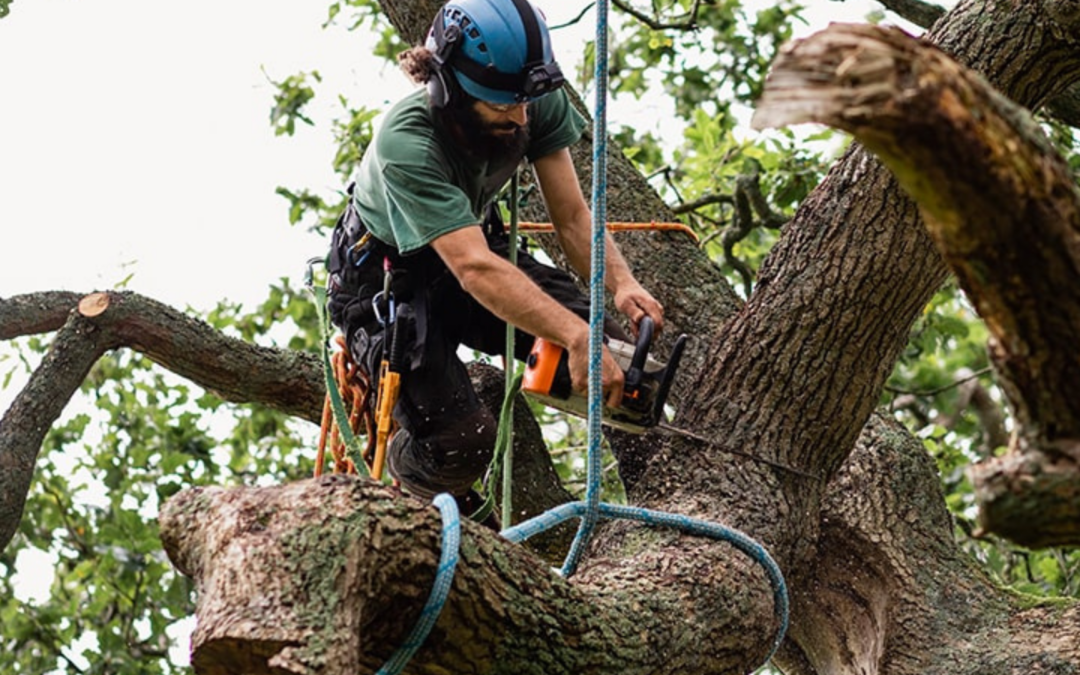
Scheduling tree maintenance is recommended at least once a year for most trees (Florence Arborist). Yet, individual requirements can differ based on the age, species, and climate where the tree is located, which requires adjusting the maintenance schedule appropriately
Which Credentials Should I Seek in an Arborist?
In your search for an arborist, you must check for credentials such as ISA (International Society of Arboriculture) certification, TCIA (Tree Care Industry Association) accreditation, or local licenses that demonstrate expertise in tree care and safety practices.
Do Arborists Offer Tree Planting Services?
Indeed, arborists can assist in planting trees. Arborists offer knowledge when choosing suitable tree types, ensuring proper planting techniques, and giving advice about the specific site factors, leading to robust growth and improving the environmental equilibrium of the landscape.
What Impact Do Climatic Factors Have On The Management of Trees?
Weather conditions greatly influence tree maintenance. Severe heat or cold, precipitation levels, and air movement impact development, health, and vulnerability to pests, necessitating customized maintenance plans so that trees prosper amidst different climatic situations.
How Much Does It Typically Cost for Arborist Services?
The typical fee for employing a tree expert generally costs three hundred to fifteen hundred dollars, influenced by elements like geographic area, the height and girth of the tree, and how complicated the necessary work is for maintaining the trees and evaluating their health.